Immediate Jobs in Seattle (No English Required)
Finding work right away should not depend on your English. Essential industries across Greater Seattle are hiring today and welcome workers who speak Tigrigna, Amharic, Oromo, Somali, Spanish, and other languages.
Commercial Cleaning & Janitorial
Night office cleaner, apartment turnover crew, floor technician, custodian.
Pay: $20.76 – $26.00 / hour
Hotel & Hospitality Services
Housekeeper, room attendant, laundry worker, dishwasher, kitchen helper.
Pay: $20.76 – $29.00 / hour
Airport & Vehicle Detailing
Aircraft interior detailer, rental car cleaner, fleet washer, cargo logistics.
Pay: $21.00 – $26.00 / hour
In-Home Caregiving
Caregiver and personal care aide for East African and Latino elderly clients.
Pay: $23.00 – $27.00 / hour
Immediate Placement Centers
Casa Latina (Seattle)
Daily dispatch center for immediate day labor, cleaning, construction, and moving.
Partner in Employment (PIE - Tukwila/SeaTac)
Direct job placement in warehousing, cleaning, and airport services.
Refugee Resettlement Office (RRO)
Direct hiring connections for hotel cleaning, food prep, and assembly work.
Asian Counseling & Referral Service (ACRS)
Fast-track hiring for bilingual caregivers.
Need Work Right Away?
I am here to help. Contact me directly through the contact page to get connected with hiring employers and application support.




Navigating life changes, finding stable housing, or seeking support can feel overwhelming. Whether you are looking for immediate help or long-term community assistance, the verified Washington State programs below are here to guide you forward.
🚨 Need Immediate Crisis Support?
Suicide & Crisis Lifeline: Call or text 988 (Free, confidential, 24/7)
Washington Community Helpline: Call 2-1-1 or text your zip code to 898-211 (For local housing, food, and urgent community support)
1. Emergency & Crisis Support
988 Suicide & Crisis Lifeline
What They Do: Free, confidential 24/7 support for anyone experiencing mental health distress, emotional crisis, or thoughts of self-harm.
How to Access: Call or text 988 | 988lifeline.org
Washington Recovery Help Line
What They Do: A 24/7 anonymous service for individuals and families dealing with substance use disorders, problem gambling, and mental health challenges.
How to Access: Call 1-866-789-1511 | warecoveryhelpline.org
2. Food, Basic Needs & Financial Aid
Basic Food Assistance (SNAP / EBT)
What They Do: Monthly financial benefits to help low-income individuals and families buy healthy groceries.
How to Access: Apply online through Washington Connection or your local DSHS office.
Local Food Banks & Pantries (King, Pierce, & Snohomish Counties)
What They Do: Community food distribution networks offering emergency groceries.
How to Access: Use Northwest Harvest's Food Bank Finder or call 2-1-1 to find a pantry closest to your neighborhood.
3. Healthcare & Medical Coverage
Washington Healthplanfinder (Apple Health / Medicaid)
What They Do: Free or low-cost health insurance for eligible Washington residents, covering doctor visits, prescriptions, and mental health services.
How to Access: Explore plans and enroll at wahealthplanfinder.org
WA Department of Social and Health Services (DSHS)
What They Do: Administers cash assistance (TANF), disability support, aging and long-term care, and community service offices across the state.
How to Access: Find your local office at dshs.wa.gov
4. Housing & Utilities Support
Washington 211 Housing & Shelter Network
What They Do: Connects residents with emergency shelter beds, rental assistance, transitional housing, and eviction prevention resources.
How to Access: Dial 2-1-1 or visit wa211.org
Low-Income Home Energy Assistance Program (LIHEAP)
What They Do: Grants to help low-income households cover heating, electricity, and home energy bills.
How to Access: Contact your local Community Action Agency through commerce.wa.gov
5. Refugee, Immigrant & Community Integration
DSHS Office of Refugee and Immigrant Assistance (ORIA)
What They Do: Resettlement support, employment services, English language classes, and cultural navigation programs.
How to Access: Learn more at dshs.wa.gov/oria
Refugee Women’s Alliance (ReWA)
What They Do: Multi-ethnic organization offering bilingual advocacy, early childhood education, and family support services (serving the Puget Sound area).
How to Access: Visit rewa.org
Site Disclaimer: The resources gathered here are shared for informational and community empowerment purposes. This website is an independent platform and is not officially affiliated with or endorsed by the State of Washington or any listed third-party agencies. Please verify specific eligibility guidelines directly with each service provider.

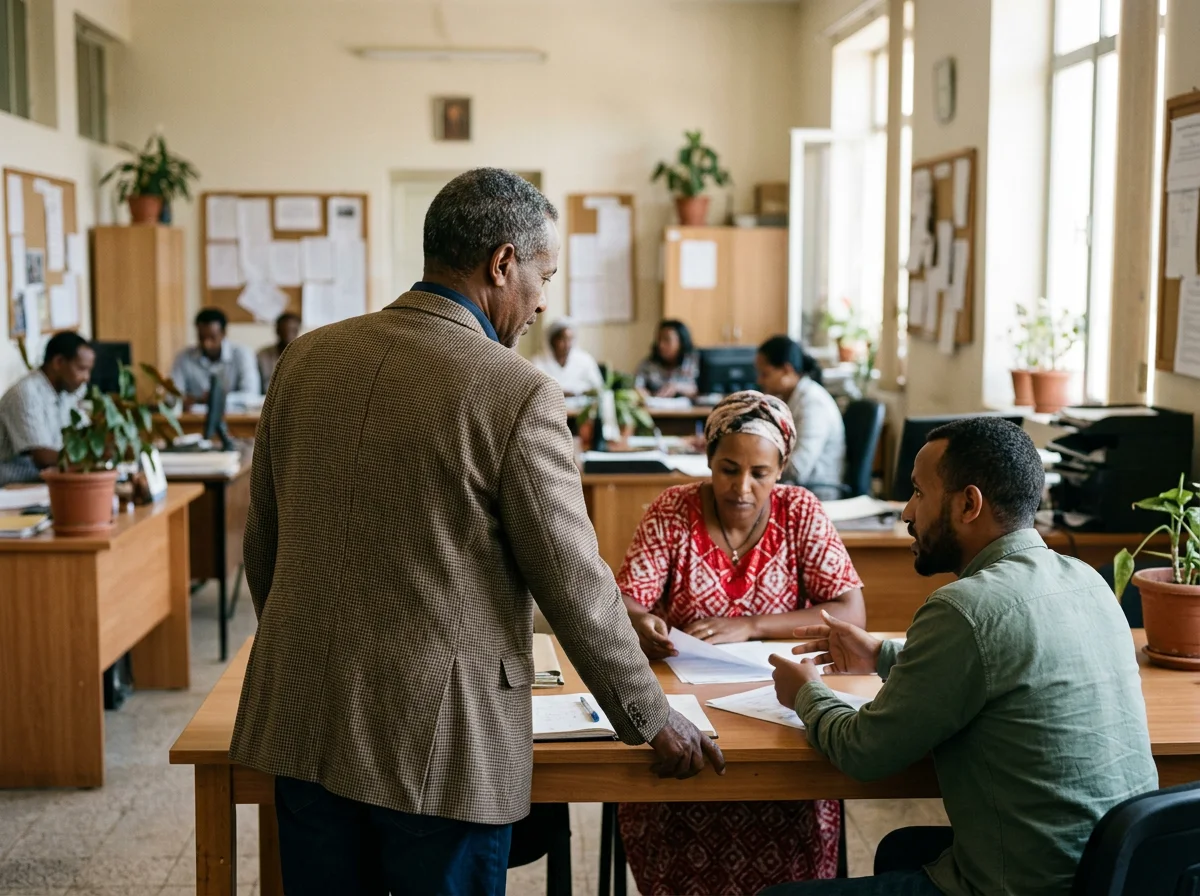
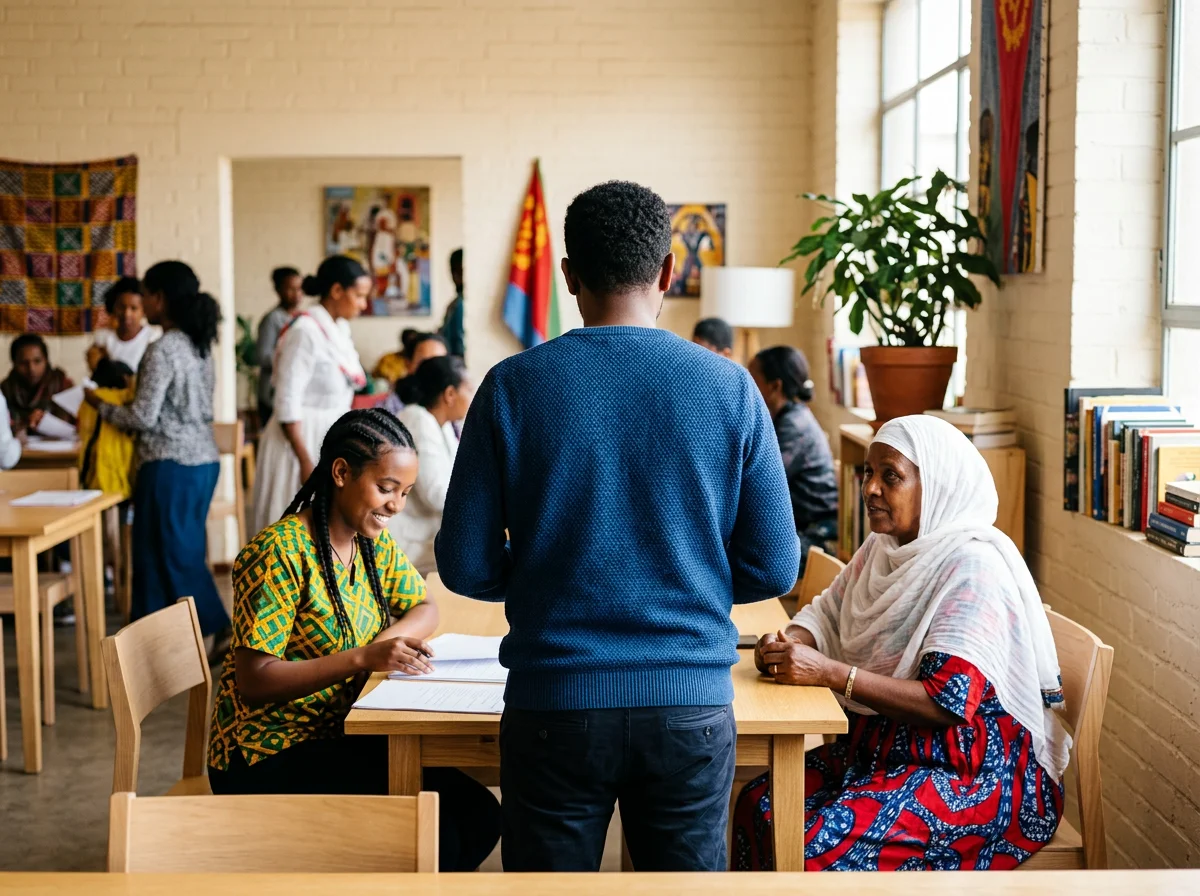
Navigating Higher Education: A Strategic Guide for Youth and Students
Choosing the right path in higher education is a pivotal step toward shaping a purposeful career, building leadership skills, and achieving long-term goals. Whether starting at a community college to build foundational skills or entering a four-year university for specialized research, preparation and strategy are everything.
Below is a comprehensive directory of key educational institutions—bridging the Pacific Northwest and the Washington D.C. / Northern Virginia educational corridors—designed to help students and families navigate academic futures with clarity.
Part 1: The Community College Pathway
For many students—especially those balancing work, transition periods, or looking for an accessible entry point into the higher education system—community colleges offer an exceptional launchpad. They provide smaller class sizes, lower tuition rates, and structured transfer pathways to four-year universities.
1. Seattle Central College (Seattle, WA)
Overview: Located in the heart of Capitol Hill, Seattle Central College is a cornerstone of the Seattle Colleges district.
Why It Matters: It serves as an accessible entry point for local youth, international students, and adult learners. It offers vocational certificates, two-year associate degrees, and applied bachelor’s degrees.
Key Focus Areas: Healthcare training, Information Technology, Graphic Design, and Liberal Arts.
Official Web Resource: Seattle Central College Website
2. Northern Virginia Community College - NOVA (Northern Virginia)
Overview: One of the largest community colleges in the United States, known for its diverse student body and comprehensive academic programs.
Why It Matters: NOVA maintains direct "guaranteed admission" transfer agreements with major four-year universities across Virginia, making it a powerful stepping stone.
Key Focus Areas: Associate degrees in Liberal Arts, Business Administration, Information Technology, and Social Sciences.
Official Web Resource: NOVA Official Website
Part 2: Four-Year Universities & Research Institutions
For students seeking undergraduate degrees, advanced research opportunities, or specialized professional training, four-year institutions offer deep academic immersion and lifelong professional networks.
1. University of Washington - UW (Seattle, WA)
Overview: A premier public research powerhouse located along Lake Washington in Seattle.
Why It Matters: UW is globally recognized for computer science, medicine, engineering, global health, and social work. It provides robust local scholarship opportunities and undergraduate research programs.
Key Focus Areas: Computer Science & Engineering, Public Health, Social Work, Business, and Political Science.
Official Web Resource: University of Washington Website
2. George Mason University - GMU (Fairfax, VA)
Overview: A prominent public research university located just outside Washington D.C., recognized for innovation, diversity, and strong policy programs.
Why It Matters: GMU’s proximity to the nation's capital provides unique internship, policy research, and networking opportunities for students interested in public service, journalism, and international relations.
Key Focus Areas: Political Science, Sociology, Conflict Analysis and Resolution, Public Administration, and Global Affairs.
Official Web Resource: George Mason University Website
3. Seattle University (Seattle, WA)
Overview: A respected independent Jesuit Catholic university situated in Seattle, emphasizing values-based education, ethics, and social justice.
Why It Matters: Known for smaller class sizes and personalized mentorship, it maintains strong ties to Seattle's legal, non-profit, and corporate sectors.
Key Focus Areas: Nonprofit Leadership, Nursing, Business, Law, and the Humanities.
Official Web Resource: Seattle University Website
4. Howard University (Washington, D.C.)
Overview: A globally renowned Historically Black University (HBCU) with a prestigious legacy of leadership, civil rights advocacy, and academic excellence.
Why It Matters: Howard has shaped generations of world leaders, writers, and public servants, offering an empowering and culturally rich academic environment.
Key Focus Areas: Communications, Social Work, Political Science, History, and STEM fields.
Official Web Resource: Howard University Website
5. Georgetown University (Washington, D.C.)
Overview: A leading private research university steeped in history, located in the heart of Washington D.C.
Why It Matters: World-renowned for its School of Foreign Service and Public Policy programs, it serves as an elite hub for careers in international diplomacy, global development, and political analysis.
Key Focus Areas: International Relations, Government, Business, and Public Policy.
Official Web Resource: Georgetown University Website
Part 3: Essential Strategic Steps & Verification for Students
To ensure students and families can navigate higher education safely and effectively, utilize these foundational steps and official verification portals:
Verify Accreditation: Always ensure an institution is officially accredited through the U.S. Department of Education’s Database (DAPIP) so earned credits and degrees are fully recognized by employers and graduate programs.
Navigate Financial Aid via Official Government Portals: Avoid third-party commercial sites and apply directly through verified government resources:
Federal Student Aid & FAFSA: studentaid.gov
Washington State Financial Aid: wsac.wa.gov (Washington Student Achievement Council)
Thorough Preparation: Plan admission timelines, financial aid deadlines, and prerequisite requirements months in advance. A compelling Statement of Purpose should highlight personal resilience, clear direction, and genuine purpose.
Bridging Hope to Action: Your Practical Partner in Employment
Job hunting, career transitions, and the search for meaningful work can feel overwhelming when facing them alone. You do not have to carry that weight by yourself.
On this page, I offer a partnership grounded in practical support, human dignity, and actionable results. Together, we move past the stress of blank screens into a focused path forward.
What We Do Together
Targeted Job Discovery: We look at live listings together to pinpoint roles matching your skills and goals.
Resume & Cover Letter Crafting: We transform your background into clear, compelling documents that speak directly to employers.
Interview Preparation: We run through real mock-interview scenarios so you walk into conversations with confidence.
Explore Live Opportunities Right Now
To help you get started immediately, you can browse verified, active listings directly on trusted public portals:
Explore active Social Services & Support Openings in Seattle on Indeed
Browse public sector and community roles on the City of Seattle Careers Portal
Look for regional support and advocacy listings on the King County Jobs Page
Once you find a role that catches your eye, bring it to me, and we will build your application and interview strategy side-by-side.
Let’s Take the First Step
Hope is a deliberate choice to take the first step. If you are ready to take control of your career path, reach out through the contact form below. Let’s look at what is possible—together.